Nutrition Planning for Busy Schedules
Learn how to organize your daily nutrition with limited time. Educational guidance on time-efficient meal planning and habit-based approaches.
Request a Consultation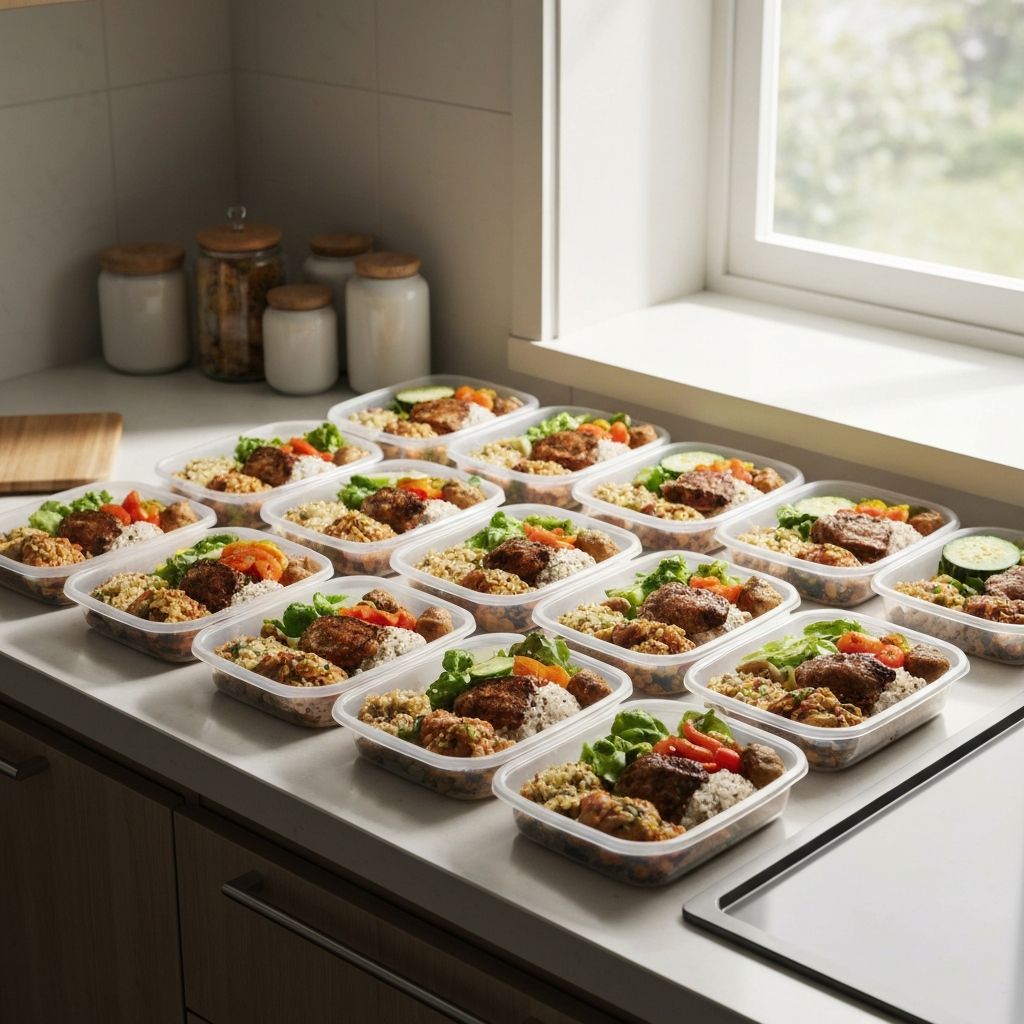
Learn how to organize your daily nutrition with limited time. Educational guidance on time-efficient meal planning and habit-based approaches.
Request a Consultation
Understanding the principles of meal planning can help you make informed decisions about your daily eating habits, even with a packed schedule.
Learn strategies to organize meals efficiently without spending hours in the kitchen every day.
Develop sustainable eating patterns that fit naturally into your busy lifestyle and daily routines.
Explore approaches to maintain regular eating habits even during hectic workdays and travel.

These challenges are common among professionals and busy individuals. Understanding them is the first step toward finding practical solutions.
Educational framework for organizing your nutrition approach.
Learn how to allocate time for meal preparation efficiently, whether that means batch cooking, assembling simple meals, or organizing grab-and-go options.
Explore different food groups and how to incorporate a range of ingredients into your weekly rotation for nutritional diversity.
Understanding appropriate serving sizes and how to gauge portions without complicated measurements or tracking systems.
Ideas for spacing meals throughout the day in ways that align with your energy needs and work schedule patterns.
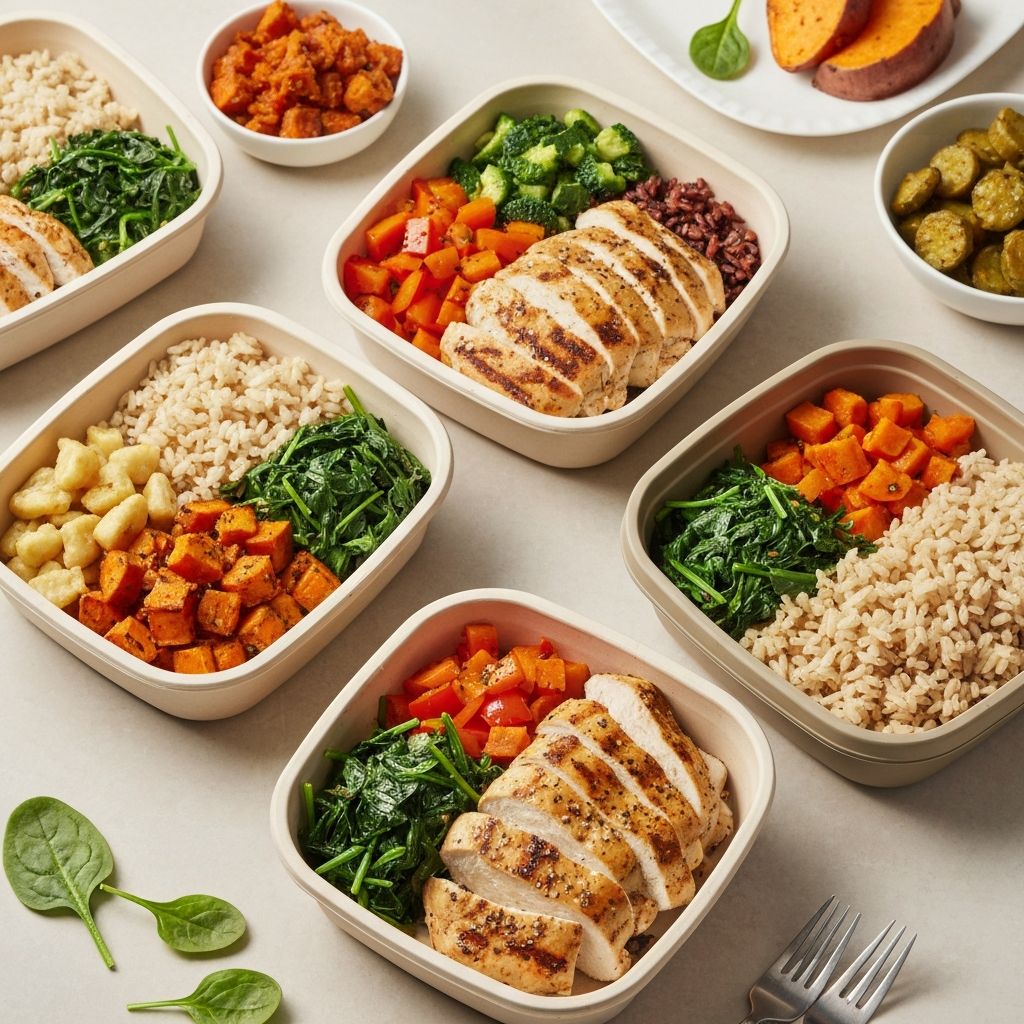
Making informed decisions about what to eat when time is limited involves understanding basic nutrition principles and practical preparation methods.
Eggs, Greek yogurt, legumes, pre-cooked chicken, tofu, and canned fish are examples of protein options that require minimal preparation time.
Whole grain bread, oats, rice, quinoa, and sweet potatoes can be prepared in advance or cooked quickly.
Pre-washed greens, frozen vegetables, cherry tomatoes, and pre-cut produce can save significant preparation time while adding variety.
Nuts, seeds, avocados, and olive oil are nutrient-dense options that require no cooking and can be easily added to meals.
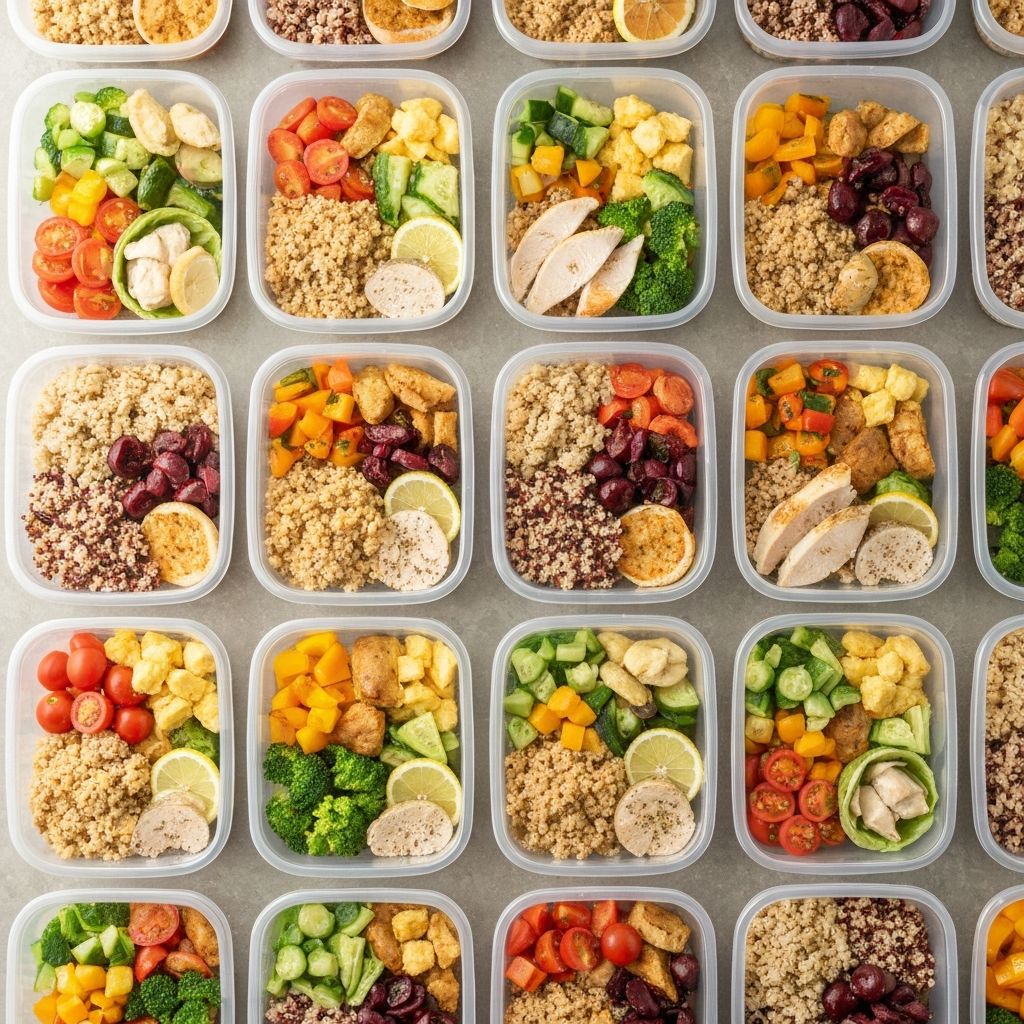
Dedicating a few hours on the weekend to prepare ingredients or complete meals can simplify weekday eating. This might include cooking grains, washing and chopping vegetables, or portioning out snacks.
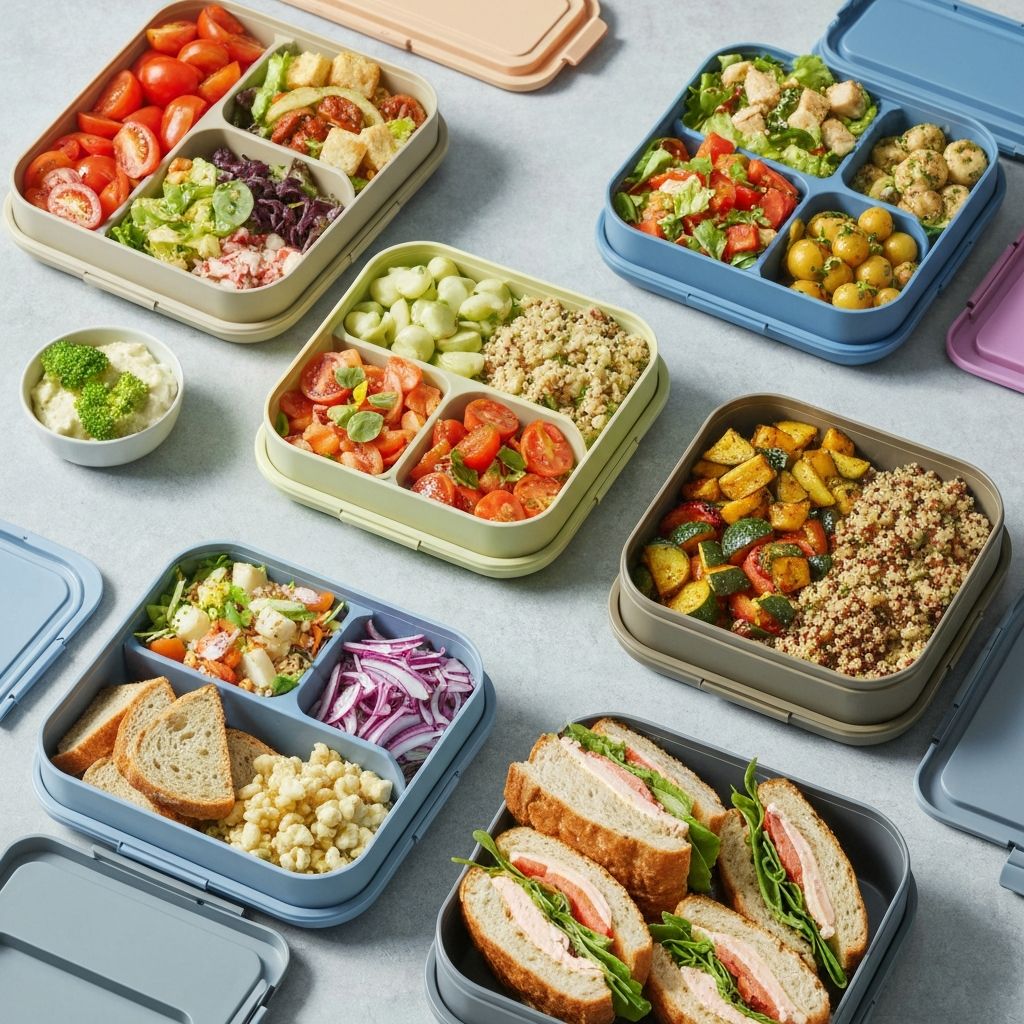
Using appropriate containers helps keep food fresh and makes it easy to grab meals on busy mornings. Learning proper storage methods can extend the life of prepared foods.
Creating a regular shopping routine and keeping a basic inventory of staple ingredients can reduce daily decision-making. Consider shopping once or twice weekly with a flexible list based on your schedule.
Individuals with demanding work schedules who want to learn how to maintain consistent eating habits despite time constraints.
People who travel regularly for work and need strategies for maintaining their nutrition approach while away from home.
Anyone looking to develop practical skills in organizing their daily eating without prior experience in meal planning.
This consultation provides educational guidance and information. It does not offer specific outcomes or replace personalized advice from qualified professionals.
"The meal planning framework helped me understand how to organize my weekly food preparation. I now spend less time thinking about what to eat each day."
"Learning about batch preparation changed how I approach weekends. The educational content was clear and practical for my busy schedule."
"The consultation provided useful information about meal timing and quick food assembly. It has made my workdays easier to navigate."
The time investment varies based on individual preferences and chosen approaches. Some people spend 2-3 hours on weekend preparation, while others prefer daily 20-30 minute sessions. The consultation explores different time management strategies.
The educational content covers simple assembly methods and basic preparation techniques that do not require advanced cooking skills. We focus on practical approaches suitable for beginners.
Yes, the consultation includes information about maintaining eating habits during travel, including strategies for hotel stays, airports, and irregular schedules.
After submitting a request, we provide educational resources and information tailored to your schedule patterns and lifestyle. The focus is on practical knowledge you can apply to your daily routine.
We cover efficient shopping strategies including list-making, understanding store layouts, and time-saving techniques that work with various grocery shopping preferences.
The consultation provides frameworks for habit development and practical tips for staying consistent even during demanding periods. Focus is on sustainable approaches rather than rigid rules.
Get guidance on organizing nutrition with limited time. Learn practical strategies for busy-day eating.
Send a Consultation Request